Every winter we hear lots of questions about window condensation and its causes. Here are some of the most common types of window condensation questions and answers:
What causes condensation on the inner surface of windows?
All operating windows leak some air between the window frame and sash. When warm household air seeps in around the sash and becomes trapped by the colder storm window condensation forms on the inside surface. Providing outside ventilation to the combination storm window can usually reduce condensation buildup.
Does the amount of condensation depend on the window type?
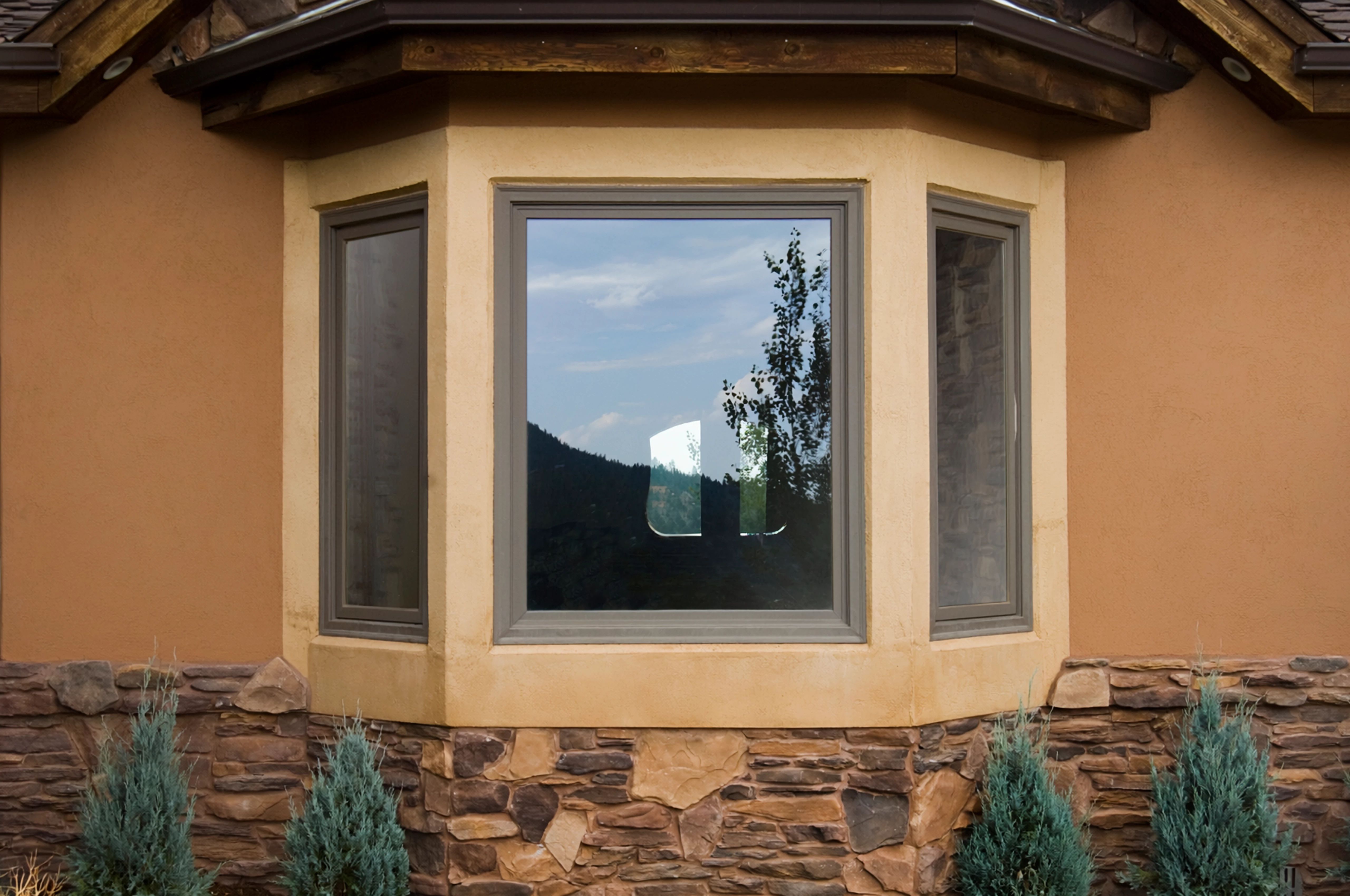
Bay or bow windows usually experience more condensation than other window styles. This is because inside air circulation around these window styles is usually more restricted. Since these windows hang away from the insulated house wall, bays and bows are usually a few degrees cooler in temperature. To help control excessive condensation, its smart to insulate between the window head and platform. In extremely cold climates, additional insulation above and below the window platform may be needed. As a secondary measure, placing a common electric fan near the window helps promote air circulation and can reduce window condensation.
What causes moisture to form on the outside of windows?
It's dew, the same condensation you see on windshields, lawns and streets on many mornings. Condensation like this happens only when the exterior surface temperature of the glass falls below the dew point of the air. When humidity levels are higher this kind of condensation is more likely to form. Most of the time, exterior window condensation takes place in the spring and fall, when cool nights follow warm days.
How do drapes and window shades affect window condensation?
Drapes and other window coverings can contribute to a condensation problem by restricting the flow of warm room air over the glass surface. Indoor condensation is more apt to occur when the drapes or the shades are pulled down.
Can excess condensation damage windows?
Yes. Excess window condensation can cause paint to peel from the sash and excess moisture can also damage the window frame.
Why does a 1"- wide strip of condensation sometimes form all the way around the window?
If a strip of condensation forms all the way around the window, chances are good that the window unit features metal components that are transmitting cold from the outside to the inner glass, cooling the glass surface where the condensation forms. In effect, the center of the glass stays warmer than the glass close to the edge. This strip of condensation doesn't mean the window is leaking air or not working properly.
Is exterior condensation anything to worry about?
Dew on windows is a natural atmospheric phenomenon. It doesn't mean your windows are leaking air or malfunctioning in any way. In fact, exterior condensation is a sign of energy efficiency since it means the outside pane is thoroughly insulated from the heat indoors. Depending on where you live, exterior condensation may only occur a handful of times a year.If your windows are damaged or in need of replacement, there is no time like the winter months to undertake a renovation project. Check out this year's special winter rates. Call us today and schedule your free in-home consultation!
Drafty Windows in Louisville & Southern Indiana? Signs You Need Replacement Windows and Doors Before Winter
Drafty windows and doors or frost on the glass? earn the signs you need replacement windows and doors before winter in Louisville and Southern Indiana.
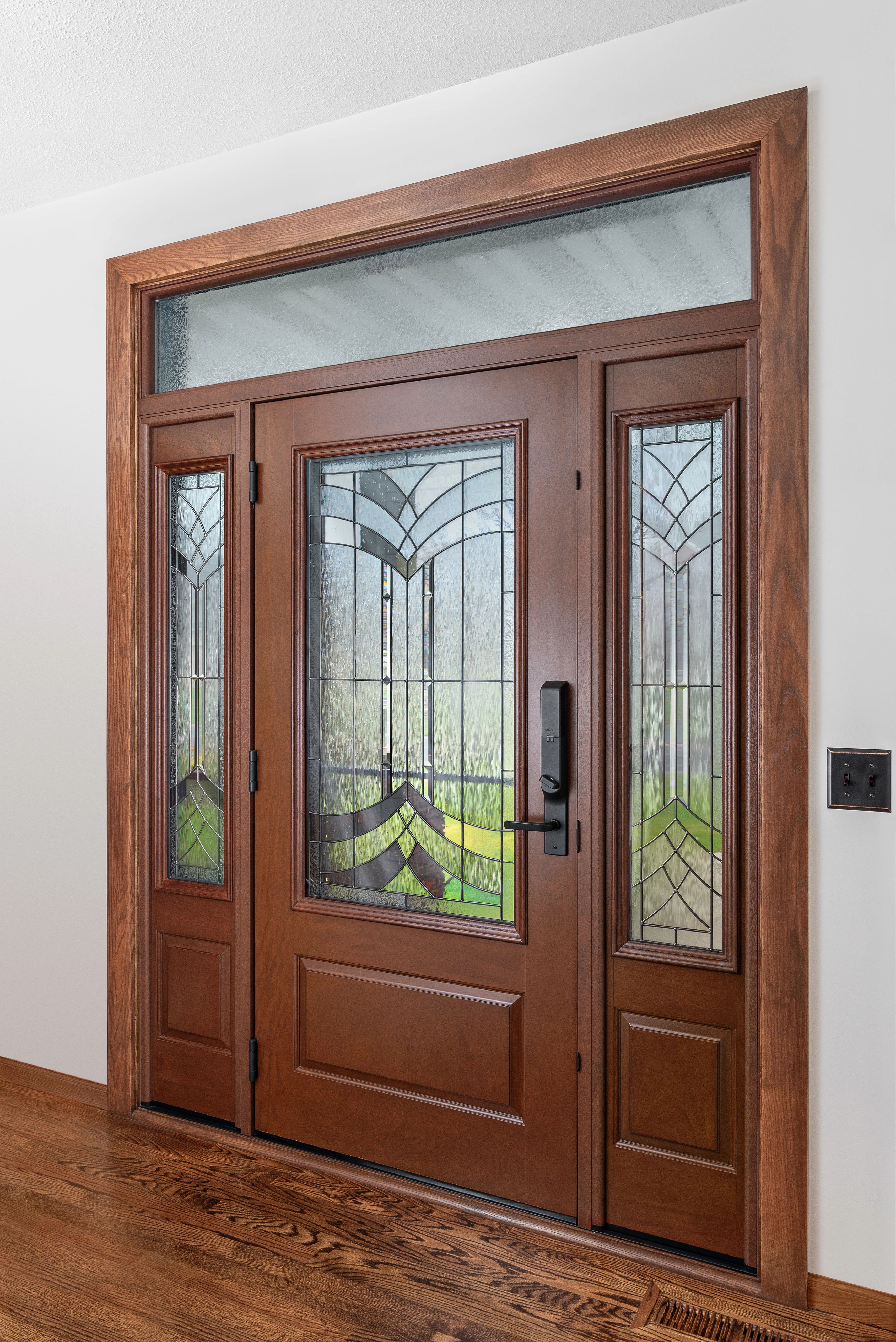
Renewal by Andersen Ensemble Entry Doors- Overview
Upgrade your home with Renewal by Andersen Ensemble entry doors in Kentucky & Southern Indiana. Fibrex frames, custom styles & energy-smart design. Get a free quote today!
**Review aggregator survey of the most 5 star reviews among leading national full service window and door replacement companies. January 2024 Reputation.com
***Renewal by Andersen is the full-service window and door replacement division of Andersen. 2022 Andersen Brand Survey of U.S. Homeowners




.png)
.png)


